The Story of the Library:
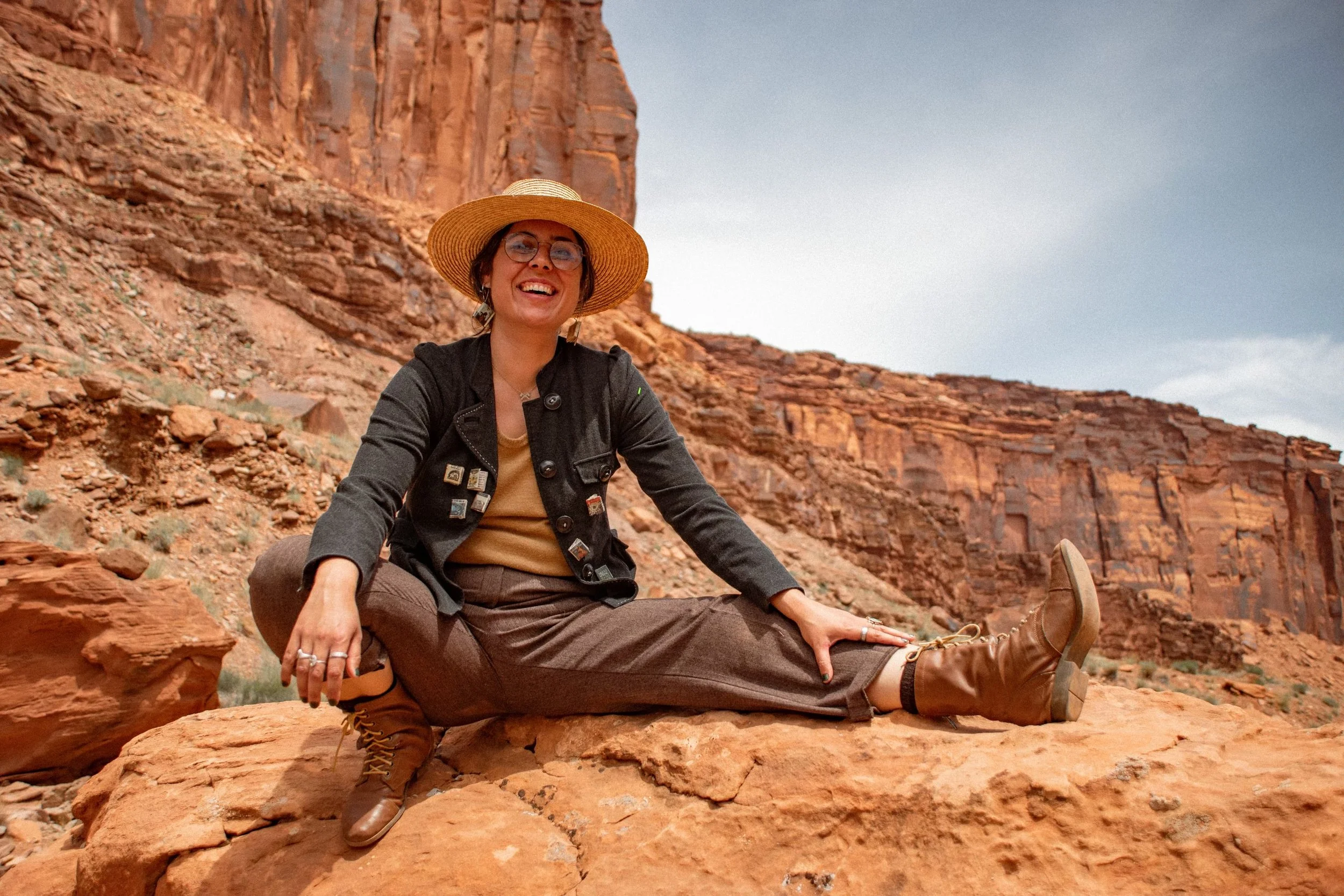
I have been enchanted by books for as long as I can remember. To me, they are not just vessels for information but living anchors of human history and personal identity. I admittedly have a book hoard and have always lived within the Japanese concept of tsundoku (積ん読), which is the habit of acquiring books and letting them pile up until they become the very architecture of a home. The magic isn't just in the narrative; it is in the physical anatomy of the book. As I grew older, I became obsessed with the textures of the paper, the weight of the covers, and the way a spine feels in your hands. That obsession eventually merged with my love for traditional craftsmanship and gave birth to For The Library Of.
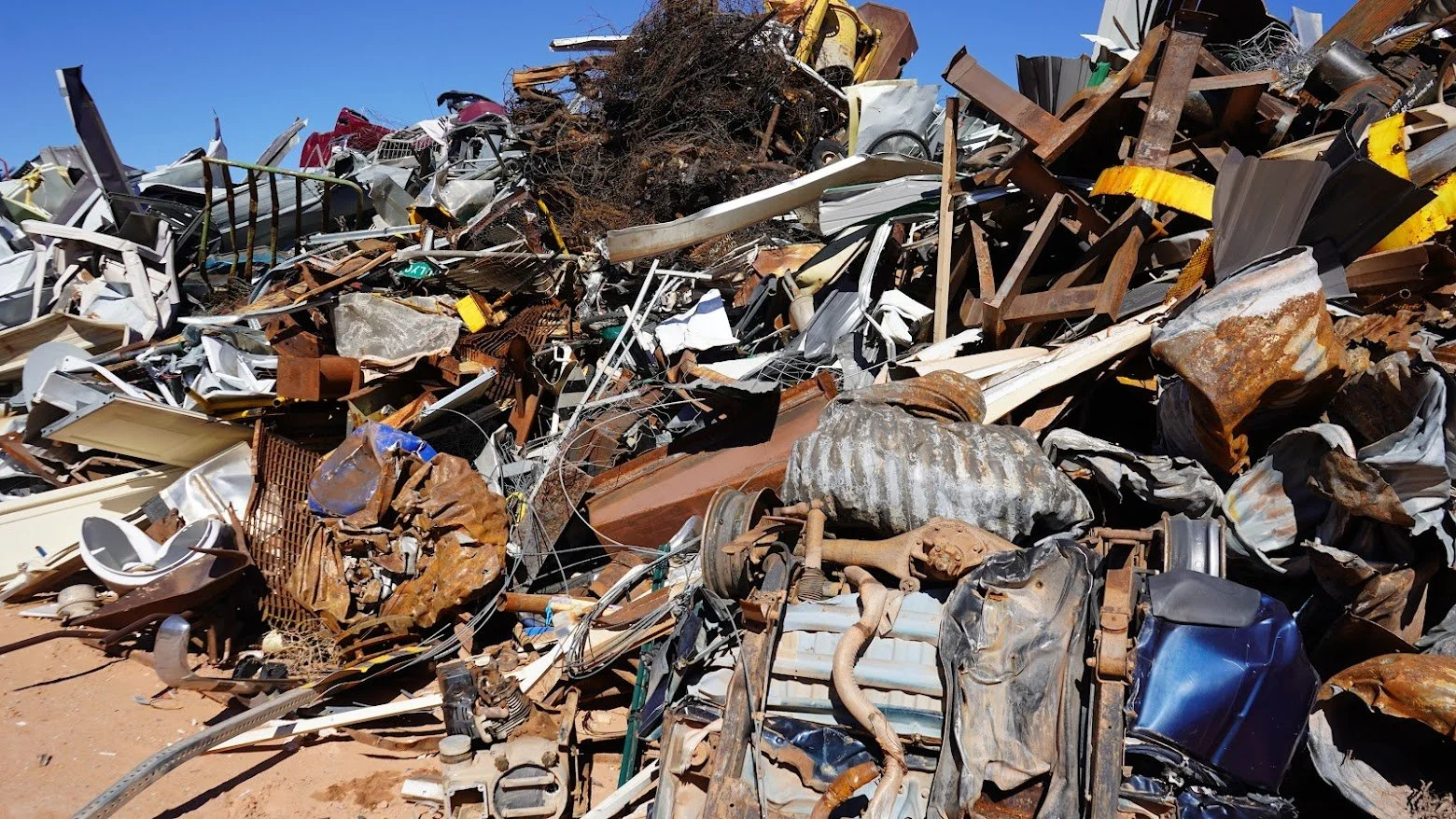
My work is about the physical labor of salvage and the curation of trash. After two residencies at landfills, I stopped seeing waste as a metaphor and started seeing it as a primary resource. Standing in the middle of what society discards, I saw the very treasures I had spent my life collecting being treated as refuse. Now, my process is a physical intervention. I rescue forgotten texts from the waste stream and breathe new life into them by transforming discarded pages into wearable artworks so these stories continue to circulate rather than disappear.
This mission deepened during my time in the high desert, where I spent eight years on the frontlines of wildfires. In that landscape, "making it work with less" was a survival tactic defined by the grit of rural community building and mutual aid. Through a residency with Moab Arts, I began practicing Sidewalk Joy, which is the intentional creation of surprise and connection in public spaces. I built Little Free Art Galleries and miniature museums because I believe art should not be a destination; it should be accessible to everyone at any time. These earrings are a portable extension of that belief, turning a story into a quiet moment of connection in your daily life.
Curation is my primary form of activism. In a time where certain histories and identities are being intentionally erased, the choice of what to preserve is a political act. I specifically curate Banned Books like The Handmaid’s Tale, The Color Purple, and Rubyfruit Jungle because when a book is banned or thrown out, it is treated like refuse. By turning these stories into jewelry, I move the act of reading from a private space into a public one. You are not just carrying a story; you are making it visible.
Thank you for joining me on this journey!
About the Artist:
In Story,
Ginger Cyan
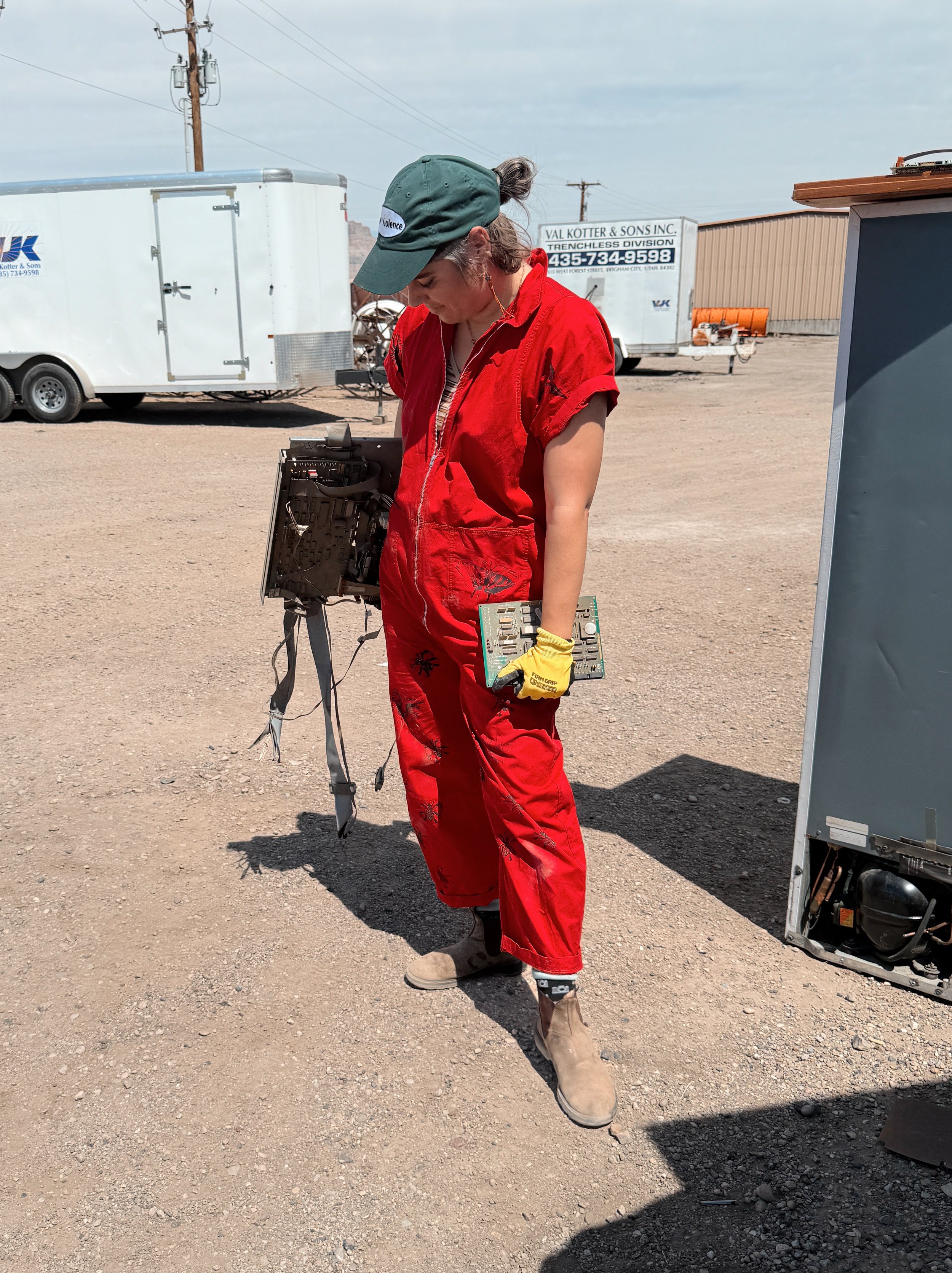
Ginger Cyan is a Greenville-based artist, storyteller, and the self-appointed Poet Laureate of Dive Bars. Navigating the world as a disabled person requires a constant, practical habit of making it work with less, a perspective that carries over into their work with literal trash and the materials society considers too broken or difficult to handle.
A former National Park Service ranger and two-time landfill artist-in-residence, Ginger spent eight years in the high desert surrounding Southeast Utah. While Mary Oliver’s Wild Geese famously claims you do not have to walk on your knees for a hundred miles through the desert repenting, Ginger didn’t encounter those words until they had already lived in that landscape for many years. Their time there was never fully about repentance, but was instead defined by the grit of rural community building, mutual aid, and the grueling reality of working in wildfires.
Returning to the South has meant translating those years of grassroots solidarity into the pursuit of a softer life, shifting from the high-stakes intensity of disaster work to an intentional slowing down. They firmly believe in the magic of whimsy and joy as an act of rebellion.